
The U.S. Department of Agriculture reports that chronic disease takes up the largest share of America’s healthcare spending, and much of it traces back to everyday choices—what we eat, how we move, and the habits we build. Convenience foods and sedentary routines have become common, while prevention has often taken a back seat to treatment.
The good news is that change is possible.
The 2025–2030 Dietary Guidelines invite us to rethink our relationship with food and health. They emphasize whole, nutrient-rich meals and encourage collaboration across society—farmers, educators, healthcare providers, businesses, and policymakers all have a role to play. By shifting focus toward nourishment and prevention, we can create a healthier future, one shaped by the decisions we make at the table, in the kitchen, and in our communities.
Eat the Right Amount for Your Body
Calorie needs vary by age, sex, height, weight, and physical activity level. Paying attention to portion sizes is key, especially with calorie-dense foods and drinks. Hydration also matters—water (still or sparkling) and unsweetened beverages are the best choices.
Prioritize Protein Foods at Every Meal
Protein supports strength and health. Choose nutrient-dense sources like eggs, poultry, seafood, lean meats, beans, lentils, nuts, seeds, and soy. Cooking methods such as baking, grilling, or stir-frying add flavor without excess grease. Most adults benefit from about 1.2–1.6 grams of protein per kilogram of body weight daily, though exact needs vary.
Consume Dairy
Dairy provides protein, healthy fats, vitamins, and minerals. Full-fat, unsweetened options are best. Three servings per day fit well into a 2,000-calorie plan, though individual needs differ.
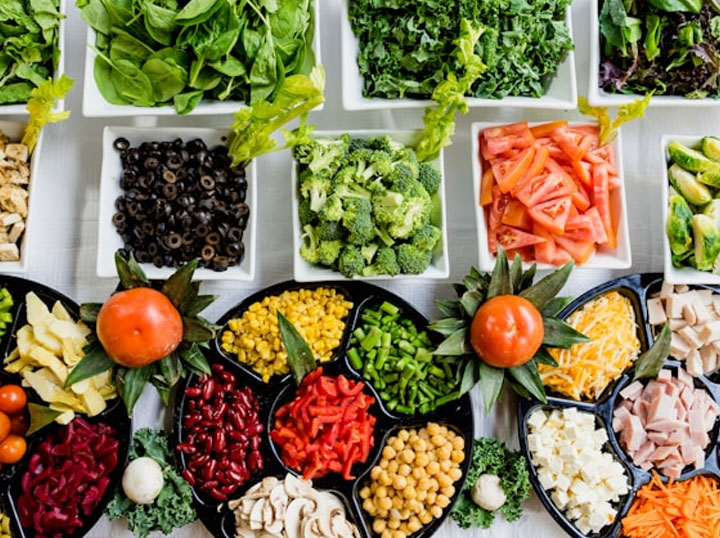
Enjoy Vegetables and Fruits Throughout the Day
Variety is essential—different colors bring different nutrients. Whole, fresh produce is ideal, but frozen, dried, or canned options with little or no added sugars also work. A 2,000-calorie plan typically includes three servings of vegetables and two servings of fruit daily.
Incorporate Healthy Fats
Healthy fats from foods like seafood, nuts, seeds, dairy, olives, and avocados support balance. Olive oil is a great choice for cooking, while butter and tallow can be used in moderation. Keep saturated fat under 10% of total daily calories.
Choose Whole Grains
Whole grains provide fiber and lasting energy. Aim for two to four servings daily in a 2,000-calorie plan, while limiting refined carbs like white bread and packaged snacks.
Limit Highly Processed Foods, Added Sugars, and Refined Carbs
Processed foods often contain excess sugar and salt. Choose nutrient-dense, home-prepared meals when possible. Keep added sugars under 10 grams per meal, and avoid sugar-sweetened beverages.
Limit Alcoholic Beverages
Reducing alcohol intake supports overall health. Some people should avoid it entirely, including pregnant women, those in recovery or unable to control their alcohol intake, or individuals with medical conditions or medications that conflict with alcohol.
For the full guidelines, visit the U.S. Department of Agriculture website.
Take the Next Step Toward Healthier Living!
Reading about the 2025–2030 Dietary Guidelines for Americans is a great start, but putting them into action is what truly makes a difference. If you’re unsure how these recommendations apply to your lifestyle, health history, or personal goals, you don’t have to figure it out alone.
At MyerleeMD Telehealth, our licensed providers can help you turn national nutrition guidelines into a personalized, practical plan that fits your daily life. Whether you’re focused on heart health, weight management, blood sugar balance, or overall wellness, we’re here to support you every step of the way.
Call MyerleeMD Telehealth at (855) 693-7533 for a Florida virtual doctor appointment, or register online. It’s easy!
Step 1: Fill out medical forms
Complete a brief medical history form so your provider can develop a personalized treatment plan. It’s fast and free.
Step 2: Schedule an online visit
Connect with a licensed physician or nurse practitioner via a secure video consultation.
Step 3: Receive medication
Pick up your prescribed medication at your trusted local pharmacy.
References
- U.S. Department of Agriculture. 2025–2030 Dietary Guidelines for Americans