

Flu, short for influenza, is a contagious respiratory illness caused by influenza viruses. According to the Centers for Disease Control and Prevention (CDC), seasonal influenza affects millions of people globally each year, leading to mild to severe illness, and in some cases, even death, particularly in high-risk groups.
Flu activity tends to rise during colder months and can spread rapidly. Unlike the common cold, flu symptoms often strike suddenly and with greater intensity. Recognizing the symptoms, understanding how it spreads, and knowing when to seek care can make a significant difference in recovery and prevention.
What is Flu (Influenza)?
According to the World Health Organization (WHO), influenza is a viral infection that primarily affects the nose, throat, and lungs. The most common types responsible for seasonal flu outbreaks are influenza A and B. Because these viruses mutate frequently, a new flu vaccine is formulated every year to offer updated protection.
Causes: How the Flu Virus Spreads
Flu viruses spread mainly through respiratory droplets when infected individuals cough, sneeze, or talk. According to the Mayo Clinic, the virus can also be transmitted by touching surfaces contaminated with the virus and then touching your mouth, nose, or eyes.
Common Flu Symptoms
- Sudden fever or chills
- Cough and sore throat
- Runny or stuffy nose
- Muscle or body aches
- Fatigue or weakness
- Headache
- Vomiting and diarrhea (more common in children)
Flu vs. Cold: Key Differences
Both the flu and the common cold are respiratory illnesses, but are caused by different viruses. According to the CDC, flu symptoms are typically more intense and come on suddenly, whereas cold symptoms tend to appear gradually and are milder.
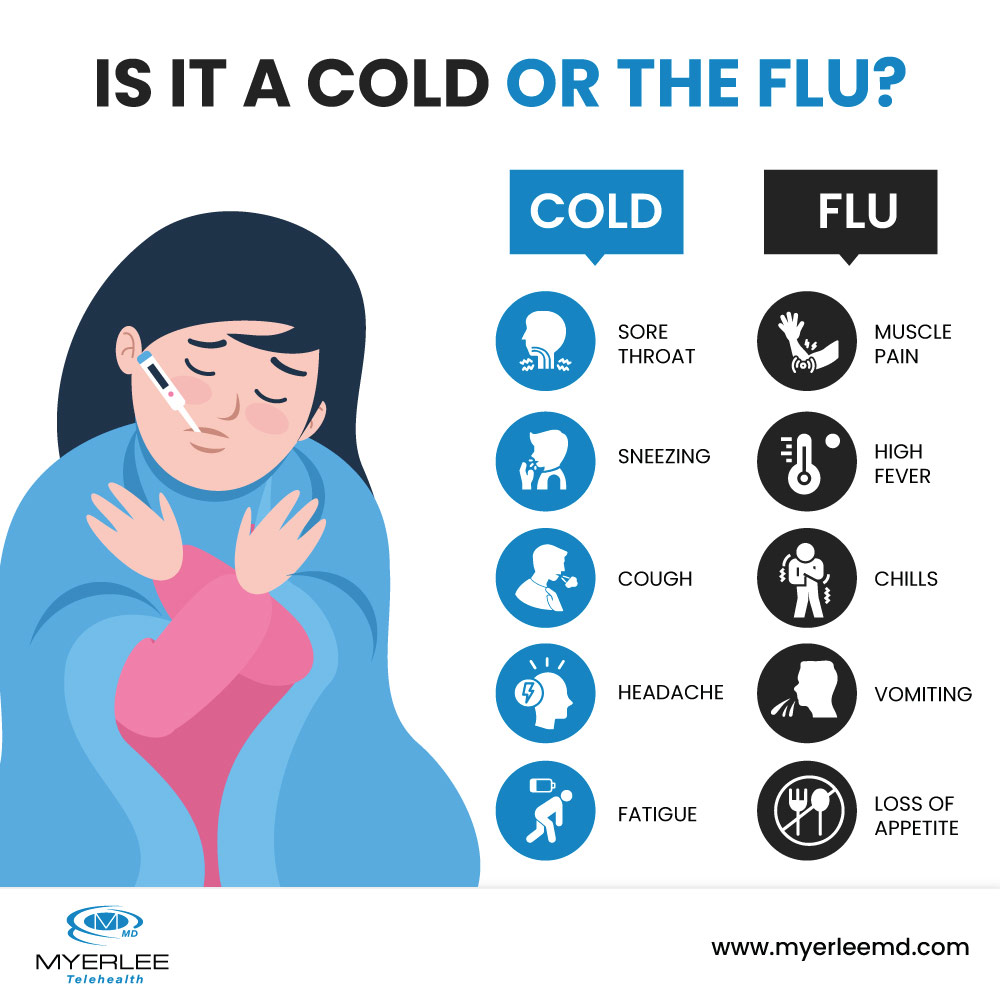
If you’re unsure whether you have a cold or the flu, it’s important to monitor your symptoms and speak with a healthcare provider, especially if symptoms worsen or you’re in a high-risk group.
Flu Complications and Risk Groups
According to Johns Hopkins Medicine, flu complications can be serious. Those at higher risk include:
- Adults 65 and older
- Children under 5 (especially under 2)
- Pregnant individuals
- People with chronic health conditions (e.g., asthma, diabetes, heart disease)
- Individuals with weakened immune systems
Diagnosis and Testing
Healthcare providers may diagnose flu based on symptoms alone, especially during peak flu season. In some cases, tests like Rapid Influenza Diagnostic Tests (RIDTs) or polymerase chain reaction (PCR) tests may be used to confirm the diagnosis. These tests usually involve a nasal or throat swab.
Treatment Options for Flu
According to the CDC, most people recover from the flu without medical treatment in a few days to two weeks. However, antiviral medications may be prescribed for individuals at higher risk of complications. These include:
- Oseltamivir (Tamiflu)
- Zanamivir (Relenza)
- Baloxavir marboxil (Xofluza)
Antivirals are most effective when taken within the first 48 hours of symptom onset.
Flu Prevention Tips
Protecting yourself and others from the flu starts with prevention. Here are CDC-recommended strategies:
- Get an annual flu vaccine
- Wash your hands regularly
- Avoid close contact with sick individuals
- Cover coughs and sneezes
- Clean and disinfect frequently touched surfaces
- Stay home when you’re sick
When to See a Doctor in Florida
Seek immediate medical attention if you:
- Have difficulty breathing
- Experience chest pain
- Feel lightheaded or confused
- Have a persistent high fever
- Are at high risk, and your symptoms worsen
MyerleeMD: Your Partner in Flu Relief in Florida
Convenient, Compassionate Care for Flu Symptoms
At MyerleeMD, we know how frustrating the flu can be. That’s why we make care easy and personal. Our motto: We Listen First, Treat Second. Every patient receives a care plan tailored to their symptoms, risk factors, and lifestyle.
Whether you’re experiencing the early signs of the flu or dealing with ongoing symptoms, our provider team is ready to help you feel better, fast.
- 1-on-1 Video Telehealth Visits: Receive expert care from the comfort of your home, no waiting rooms or commute.
- Professional, Affordable Care: Get high-quality medical services with no insurance required. We believe healthcare should be effective, personal, and accessible.
Start Your Flu Recovery Today
Take the first step toward fast flu relief. MyerleeMD is here to guide you every step of the way.
Step 1: Fill Out Medical Forms
Complete a brief medical history form so your provider can develop a personalized treatment plan. It’s fast and free.
Step 2: Schedule an Online Visit
Connect with a licensed physician or nurse practitioner through a secure video visit.
Step 3: Receive Personalized Medication
Receive your prescribed medication from your preferred local pharmacy.