

Headaches are one of the most frequently reported health concerns globally, affecting people across all age groups. While most headaches are not life-threatening, they can disrupt daily routines, lower productivity, and impair overall quality of life. According to the World Health Organization (WHO), nearly half of adults worldwide experience a headache disorder annually. Understanding what causes headaches, recognizing the different types, and knowing how to manage them can lead to better outcomes and fewer disruptions to everyday life.
What Is a Headache?
A headache is defined as pain or discomfort occurring in the head, scalp, or neck. This discomfort can vary in intensity and duration, ranging from mild and intermittent to severe and persistent. As noted by the National Institute of Neurological Disorders and Stroke (NINDS), headaches can be primary (not caused by another medical condition) or secondary (linked to underlying issues such as infections or injuries).
Common Causes of Headaches
According to the Cleveland Clinic, the most common headache triggers include:
- Stress or emotional tension
- Sleep deprivation or irregular sleep
- Dehydration
- Eye strain, especially from prolonged screen use
- Caffeine withdrawal
- Hormonal fluctuations
- Environmental changes (e.g., weather, altitude)
- Specific foods (e.g., alcohol, chocolate, aged cheeses)
- Medical conditions such as hypertension or sinus infections
Types of Headaches
Understanding the specific type of headache you’re experiencing can help guide proper treatment. Below are common types of headaches:
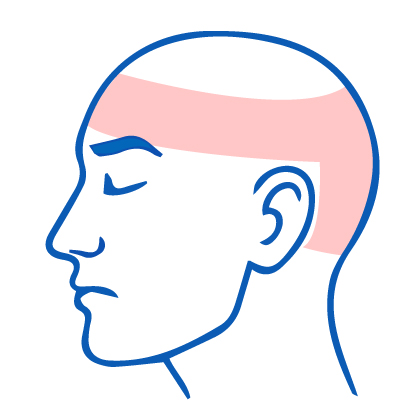
1. Stress (Tension) Headaches
Typically caused by emotional stress or muscle tension. The pain often feels like a tight band across the forehead or around the sides of the head.
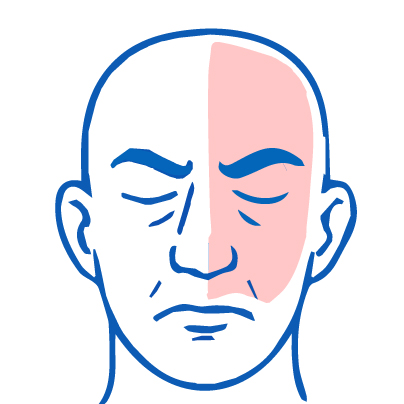
2. Migraine
Migraines are intense, throbbing headaches that may affect one side of the head and often come with nausea, light sensitivity, and visual disturbances.
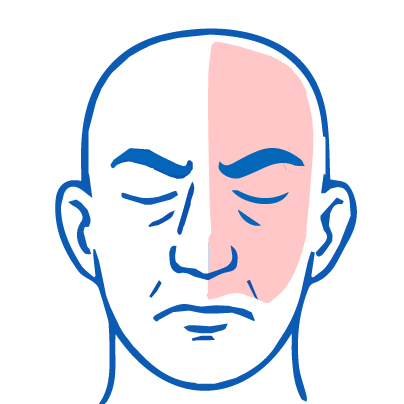
3. Hypertension Headaches
Linked to high blood pressure, these headaches usually cause a pulsating pain on both sides of the head, especially toward the back.
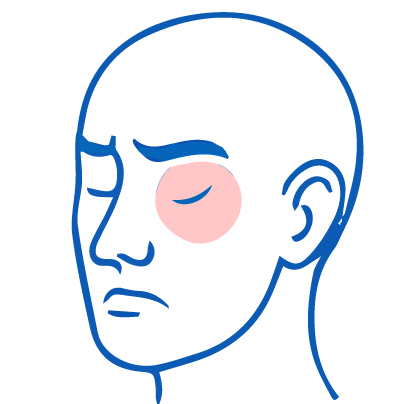
4. Cluster Headaches
Severe headaches that occur in cycles or clusters, usually centered around one eye. The pain is sharp, burning, and can be disabling.
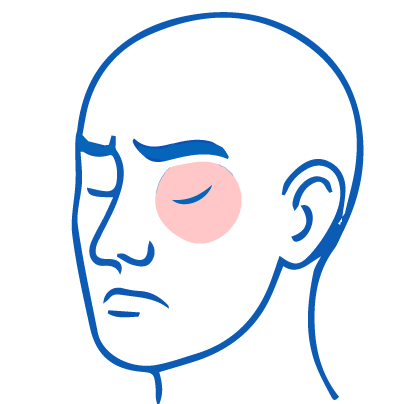
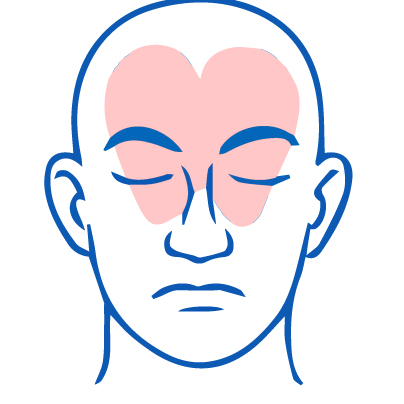
5. Sinus Headaches
Caused by inflamed or infected sinuses, this pain is felt around the forehead, eyes, and cheeks, often accompanied by nasal congestion.
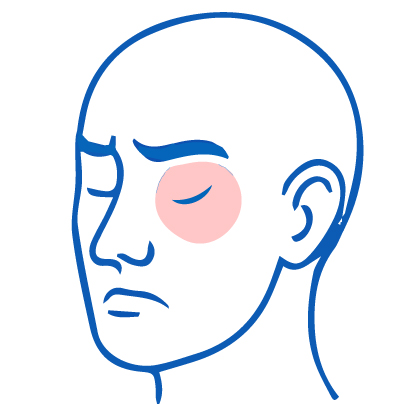
6. Post-Traumatic Headaches
These follow a head injury or concussion. Pain can vary in intensity and location, often resembling tension or migraine headaches.
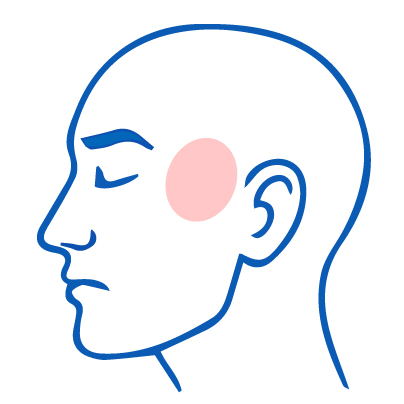
7. TMJ (Temporomandibular Joint) Headaches
Related to jaw joint dysfunction, TMJ headaches cause pain near the temples and ears, often worsened by chewing or jaw movement.
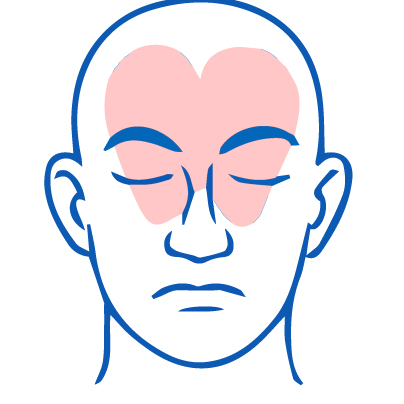
8. Exertion Headaches
Triggered by physical activity such as exercise, coughing, or heavy lifting. These headaches tend to be sudden and throbbing, affecting both sides of the head.
9. Thunderclap Headaches
A sudden, extremely severe headache that peaks within 60 seconds. This type may signal a medical emergency, such as a brain hemorrhage, and requires immediate attention.
Symptoms to Watch For
Be alert for symptoms that may indicate a more serious underlying condition. These include:
- Headaches that worsen over time or are unusually severe
- Pain that interrupts sleep
- Visual disturbances, confusion, or speech difficulty
- Fever or neck stiffness accompanying a headache
- Nausea or vomiting not explained by other causes
- Headache after trauma
When to Seek Medical Help in Florida
Seek urgent care if you experience:
- A sudden, severe headache (thunderclap headache)
- Neurological symptoms like fainting, difficulty speaking, or weakness
- Headaches with high fever, rash, or stiff neck
- Headaches following an accident or injury
Diagnosis and Tests
According to NINDS, diagnosing headaches typically begins with a thorough medical history and physical examination. Further tests may include:
- MRI or CT scans to rule out structural abnormalities
- Blood work to detect inflammation or infection
- Eye exams to identify vision-related causes
Treatment Options
1. At-Home Remedies
- Rest in a dark, quiet room
- Apply cold or warm compresses
- Drink water and avoid known food triggers
- Practice stress-relieving activities like meditation or stretching
2. Medications
- Over-the-counter pain relievers (acetaminophen, ibuprofen)
- Prescription medications for migraines (triptans, anti-nausea drugs)
- Preventive medications (beta-blockers, anticonvulsants)
3. Lifestyle Modifications
- Regular sleep schedule
- Hydration
- Reducing screen time
- Regular physical activity
- Balanced meals
4. Telehealth Support
Headaches can often be managed through telehealth appointments, especially if you need guidance on medication or triggers without visiting a clinic.
Preventing Headaches
- Keep a headache diary to identify patterns
- Avoid skipping meals
- Limit alcohol and caffeine
- Stay consistent with sleep and hydration
- Manage stress proactively through exercise and relaxation techniques
MyerleeMD: Your Partner in Headache Relief in Florida
Convenient Care for Headaches at MyerleeMD
At MyerleeMD, we put you first. Our approach is simple: We Listen First, Treat Second. Every patient receives a customized care plan tailored to their specific symptoms, triggers, and lifestyle.
Whether your headaches are occasional or chronic, our provider team is here to help through:
- 1-on-1 Video Telehealth Visits: Receive expert care from the comfort of your home, no waiting rooms or commute.
- Professional, Affordable Care: Get high-quality medical services with no insurance required. We believe healthcare should be effective, personal, and accessible.
Start Your Online Consultation Today
Embrace a life free from chronic headaches. Begin your journey today by scheduling an online consultation. Our team is ready to provide you with the care and support you need to thrive.
Step 1: Fill out medical forms
Complete a brief medical history form so your provider can develop a personalized treatment plan. It’s fast and free.
Step 2: Schedule an online visit
Connect with a licensed physician or nurse practitioner via a secure video consultation.
Step 3: Receive medication
Pick up your prescribed medication at your trusted local pharmacy.