
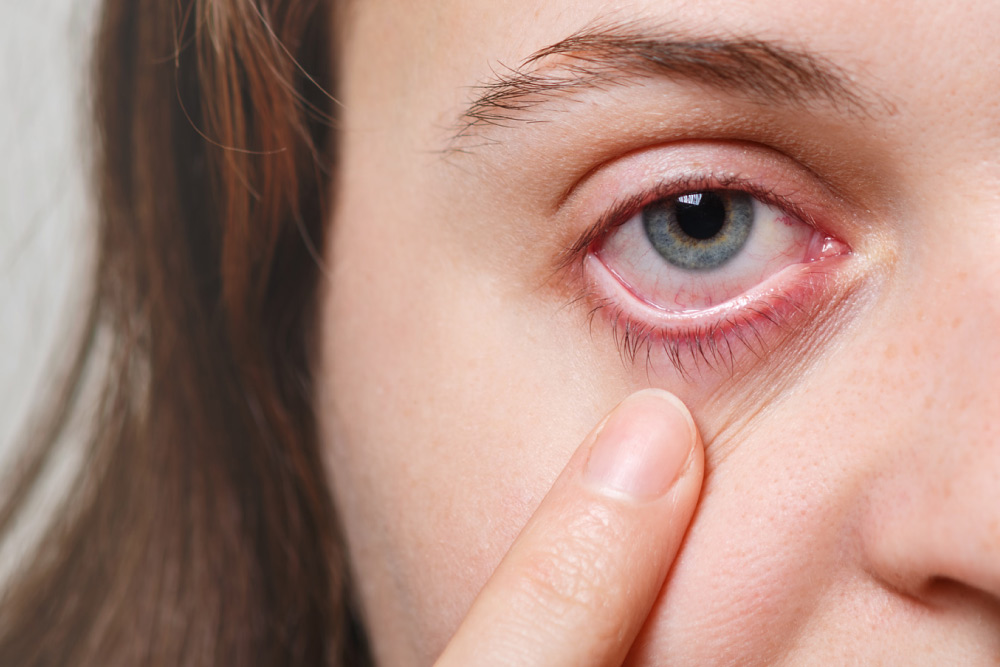
Eye infections are common conditions that can affect individuals of all ages, causing discomfort, vision problems, and, in severe cases, long-term damage if left untreated. They may be caused by bacteria, viruses, fungi, or parasites, and often spread through contaminated hands, contact lenses, or exposure to infected individuals. Recognizing symptoms early and seeking timely treatment is essential to prevent complications.
According to the Centers for Disease Control and Prevention (CDC), millions of Americans suffer from eye infections each year, with contact lens wearers at greater risk due to improper hygiene and prolonged use. With the rise of telehealth, accessing timely care has become easier and more convenient than ever.
Common Types of Eye Infections
- Conjunctivitis (Pink Eye): Highly contagious infection caused by viruses, bacteria, or allergens. According to the CDC, bacterial conjunctivitis is one of the most frequent causes of pediatric visits in the U.S.
- Keratitis: Infection of the cornea, often associated with improper contact lens use.
- Blepharitis: Inflammation of the eyelids caused by clogged oil glands or bacterial growth.
- Stye (Hordeolum): A painful lump on the eyelid caused by bacterial infection of oil glands.
Causes and Risk Factors
Eye infections can occur due to:
- Bacterial exposure (e.g., Staphylococcus aureus)
- Viral infections (e.g., adenovirus, herpes simplex virus)
- Fungal contamination (rare, often related to contact lenses or trauma)
- Poor hygiene practices, such as touching eyes with unwashed hands
According to the American Academy of Ophthalmology (AAO), contact lens users account for a significant percentage of eye infection cases due to improper storage and overuse.
Symptoms to Watch For
- Redness and swelling
- Itching or burning sensation
- Discharge (watery or pus-like)
- Blurred vision or sensitivity to light
- Pain around or inside the eye
If symptoms persist beyond a few days, professional medical care is essential to avoid complications.
Diagnosis and Treatment
Doctors typically diagnose eye infections through a physical examination and patient history. In some cases, laboratory testing may be necessary. Treatment depends on the type of infection:
- Bacterial infections: Treated with antibiotic eye drops or ointments.
- Viral infections: Managed with supportive care; antiviral medication may be needed for severe cases.
- Fungal infections: Require antifungal eye drops or oral medication.
- Parasitic infections: Rare but treated with specific anti-parasitic therapy.
According to the National Eye Institute (NEI), prompt treatment is crucial to prevent corneal damage and long-term vision problems.
Prevention Tips
- Wash your hands regularly before touching your eyes.
- Disinfect contact lenses correctly and replace them as directed.
- Avoid sharing personal items like towels or makeup.
- Wear protective eyewear in dusty or contaminated environments.
When to See a Doctor in Florida
While some mild eye infections may clear on their own, others require professional care to prevent complications. You should seek medical attention if you experience:
- Severe eye pain or sensitivity to light
- Blurred or sudden loss of vision
- Thick yellow, green, or bloody discharge
- Redness or swelling that worsens over time
- Symptoms lasting more than a few days without improvement
- A history of eye surgery, contact lens use, or underlying health conditions (such as diabetes or immune disorders)
According to the American Academy of Ophthalmology, delaying treatment for serious infections like keratitis or corneal ulcers can lead to vision-threatening complications. Early evaluation, whether in person or through telehealth, ensures proper treatment and faster recovery.
Telehealth and Eye Infections
With telehealth, patients can receive timely care without visiting a clinic. Through a secure video call, providers can assess symptoms, recommend treatment, and prescribe necessary medication.
According to the National Library of Medicine (NIH), telemedicine has proven effective in managing common eye conditions, providing faster access to care while reducing the risk of exposure to contagious illnesses.
Convenient Care for Allergic Rhinitis at Myerlee MD
At Myerlee MD, we put you first. Our approach is simple: We Listen First, Treat Second. Every patient receives a customized care plan tailored to their specific health concerns and lifestyle.
Whether your symptoms are seasonal or persistent, our provider team is here to help through:
- 1-on-1 Video Telehealth Visits: Receive expert care without leaving your home, no waiting rooms or commute.
- Professional, Affordable Care: Access high-quality medical services with no insurance required. We believe healthcare should be effective, personal, and accessible.
Start Your Online Consultation Today
Embrace a healthier life. Start your journey by scheduling an online consultation. Our care team is ready to support your needs.
Step 1: Medical Forms
Fill out a short medical history form so your provider can create a treatment plan tailored just for you. It’s quick and free.
Step 2: Online Visit
Meet with a physician or nurse practitioner through a secure video call.
Step 3: Receive Medicine
Pick up your prescribed medication at your local pharmacy.